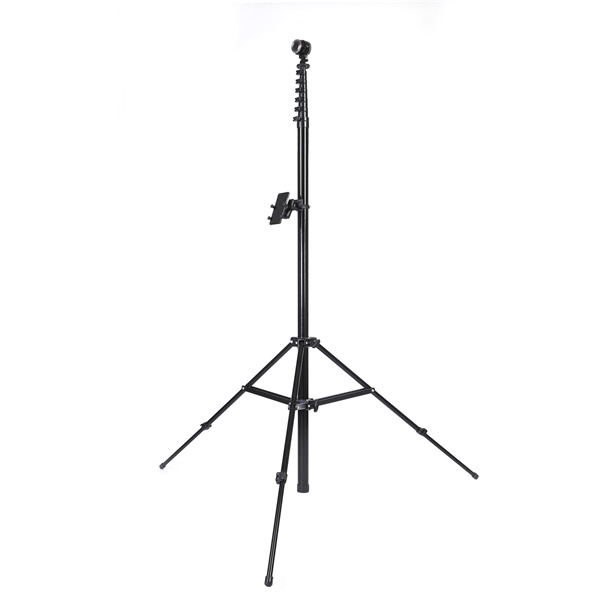
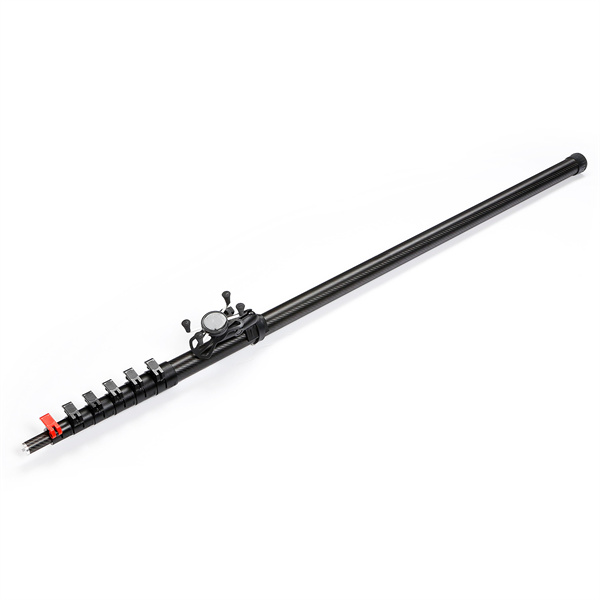
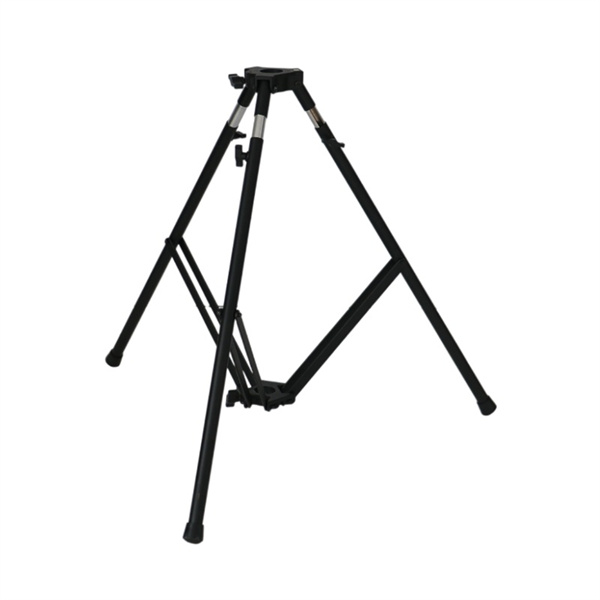
Xinbo Composites supply carbon fiber telescopic pole inspection camera systems for aerial inspection and survey.
Material: Carbon Fiber or Carbon Fiber Composites
Surface: UD, 3K Twill or 3K Plain
Sections: 5 ~ 9
Clamps: Quick-release Style
Length: 6m, 8m, 10m, 13m and Customized Lengths
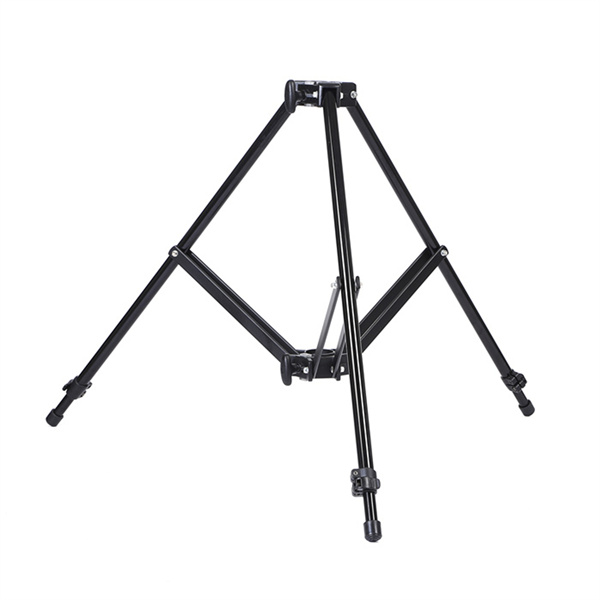
Accessories: Standard Aluminum Tripod, Heavy-duty Aluminum Tripod, Footplates, Camera Mount, Tablet or Smartphone Holder, Carry Bag.
A telescopic pole inspection camera is a practical tool designed for checking hard-to-reach, high, narrow, or dangerous areas without the need for ladders, scaffolding, or direct physical access. It combines an extendable pole with a camera system, allowing users to inspect roofs, ceilings, pipes, vehicles, machinery, building structures, and industrial equipment more safely and efficiently.
For maintenance teams, security inspection workers, construction professionals, and industrial users, a telescopic inspection camera provides a simple way to improve visibility, reduce risk, and save inspection time.
Carbon fiber is an excellent material for telescopic inspection poles. Compared with aluminum, carbon fiber offers lower weight and higher stiffness. This makes the pole easier to control when fully extended. It also reduces operator fatigue during long inspection tasks.
Carbon fiber is also corrosion-resistant, which makes it suitable for outdoor, marine, industrial, and humid environments. For inspection cameras that need long reach and stable positioning, a carbon fiber telescopic pole is a high-performance solution.
Various length options of carbon fiber telescopic poles, up to 15m.
Improve safety by reducing the need for climbing or entering hazardous areas. Operators can inspect elevated or confined areas from a safer position.
Saves time because the camera can be quickly extended, positioned, and adjusted. This is useful for routine inspections, emergency checks, and large-area surveys.
Improve visibility in areas that are difficult to see with the naked eye. With LED lighting, adjustable angles, and real-time video, users can inspect dark corners, narrow spaces, and overhead structures more clearly.
Reduce inspection cost by lowering the need for scaffolding, lifting platforms, or additional labor in many situations.
In building inspection, they are used to check roofs, gutters, ceilings, wall cavities, facades, insulation areas, and high structural points.
In industrial maintenance, they help inspect machines, tanks, pipelines, ventilation ducts, production lines, overhead equipment, and hidden components.
In automotive and transport inspection, they can be used to check vehicle undercarriages, truck roofs, containers, trailers, buses, trains, and hard-to-reach mechanical areas.
In security inspection, they are useful for checking under vehicles, above fences, behind walls, storage areas, and restricted spaces.
In utility and infrastructure work, they can help inspect power equipment, communication facilities, bridges, drainage systems, and municipal structures.
Composites Expert for Customized Premium Carbon Fiber Products & Telescopic Pole Systems