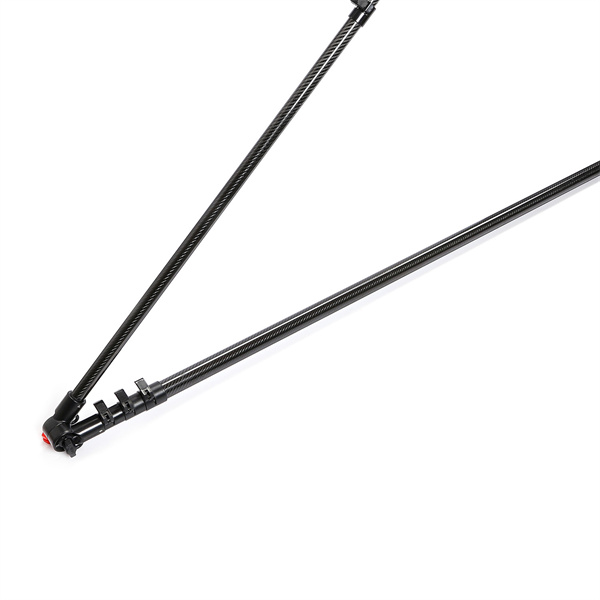
Underwater inspection pole also known as an underwater inspection camera or an underwater inspection system, consists of a long pole with a waterproof camera or imaging system attached to the end.
Material: Carbon Fiber
Extended Length: 7.6M, customized lengths are available
Contracted Length: 2.0M
Sections: 6
Clamps: Quick-release Style
Weight: 1850g
Standard accessories: 1/4"-20 camera mount, IP68 waterproof camera, 7”monitor with built-in battery, 15m cables
An underwater inspection pole is an extendable pole system used to carry a camera, sensor, or other inspection device into underwater areas. The pole allows the operator to remain on land, on a dock, or on a vessel while positioning the inspection head below the surface.
A complete underwater inspection pole system may include a carbon fiber telescopic pole, a waterproof camera, underwater lighting, cable routing, a monitor, a battery, and a mounting bracket. The pole length can be adjusted according to the inspection depth or working distance.
Carbon fiber is an excellent material for underwater inspection poles. It offers high stiffness with low weight, which helps reduce bending when the pole is extended. This makes camera positioning more stable and reduces operator fatigue.
Carbon fiber also has good corrosion resistance, making it suitable for marine, freshwater, and industrial environments. Compared with metal poles, it is less affected by rust and long-term exposure to moisture. For longer underwater inspection poles, carbon fiber provides a clear advantage in handling, stability, and durability.
Different projects require different pole designs. A custom underwater inspection pole can be developed according to inspection depth, camera weight, working environment, pole length, tube diameter, locking structure, handle design and mounting method
Customization options may include carbon fiber telescopic tube length, surface finish, waterproof camera bracket, stainless steel or plastic fittings, custom logo, packaging, and complete accessory kits.
An underwater inspection pole is a practical tool designed for visual inspection below the water surface without requiring divers, boats, or complex underwater equipment. It is commonly used for checking hulls, docks, bridges, fish farms, tanks, reservoirs, pipelines, drainage systems, and other submerged structures.
For marine maintenance, aquaculture, infrastructure inspection, search operations, and industrial applications, an underwater inspection pole provides a safer, faster, and more cost-effective way to inspect areas that are difficult or unsafe to access directly.

Composites Expert for Customized Premium Carbon Fiber Products & Telescopic Pole Systems