
Introduction
The evolution of automotive engineering is closely tied to the adoption of advanced materials that deliver both performance and efficiency. Among these, carbon fiber has established itself as a material of choice for high-end vehicle components, offering a unique combination of strength, lightweight properties, and design versatility. The ability to design and manufacture bespoke carbon fiber car parts, particularly through autoclave molding, has become essential for meeting the rigorous demands of modern vehicle development.

Carbon Fiber Car Parts: Material and Manufacturing Overview
Carbon fiber car parts are engineered from carbon fiber reinforced polymers (CFRP), which are renowned for their exceptional mechanical properties and low density. The autoclave molding process is widely recognized as the gold standard for producing these components, ensuring optimal strength, surface finish, and dimensional accuracy.
Material Options and Customization
The selection of carbon fiber grade, standard, medium, or high modulus, directly influences the mechanical performance of the finished part. Additionally, the use of hybrid materials such as carbon and Kevlar further expands the range of achievable properties. Fiber patterns, including unidirectional (UD), twill, plain, or hybrid weaves, are chosen based on the required balance of stiffness, strength, and visual appeal. The resin system, typically a thermoset like epoxy, is selected for its compatibility with the intended application and performance environment.
Autoclave Molding Process
Autoclave molding involves several critical steps to ensure the highest quality carbon fiber car parts:
- Preparation of Prepregs:
Pre-impregnated carbon fiber, glass, or hybrid materials are prepared according to the desired lay-up sequence and fiber orientation.
• Lay-up:
The prepreg materials are meticulously placed by hand onto a mold, following a specified orientation to achieve the target mechanical and structural properties.
• Vacuum Bagging:
The laid-up assembly is enclosed in a vacuum bag, and air is evacuated to compact the material and eliminate voids. This step is essential for achieving high material density and uniform resin distribution.
• Autoclave Curing:
The vacuum-bagged mold is placed in an autoclave, where it is subjected to elevated temperature and pressure. This environment cures the resin and consolidates the composite, resulting in parts with minimal void content and superior structural integrity.
• Cooling and Demolding:
After curing, the part is cooled under controlled conditions before being removed from the mold. Post-processing may include CNC machining for drilling and trimming, as well as surface finishing.
• Surface Finishes and Integration:
Surface finish options include raw, glossy, matte, or colored coatings, allowing for both functional and aesthetic customization. The integration of metal or alloy inserts, as well as adhesive bonding, is feasible, enabling seamless assembly with other vehicle systems.
Performance and Engineering Benefits
• High Strength-to-Weight Ratio
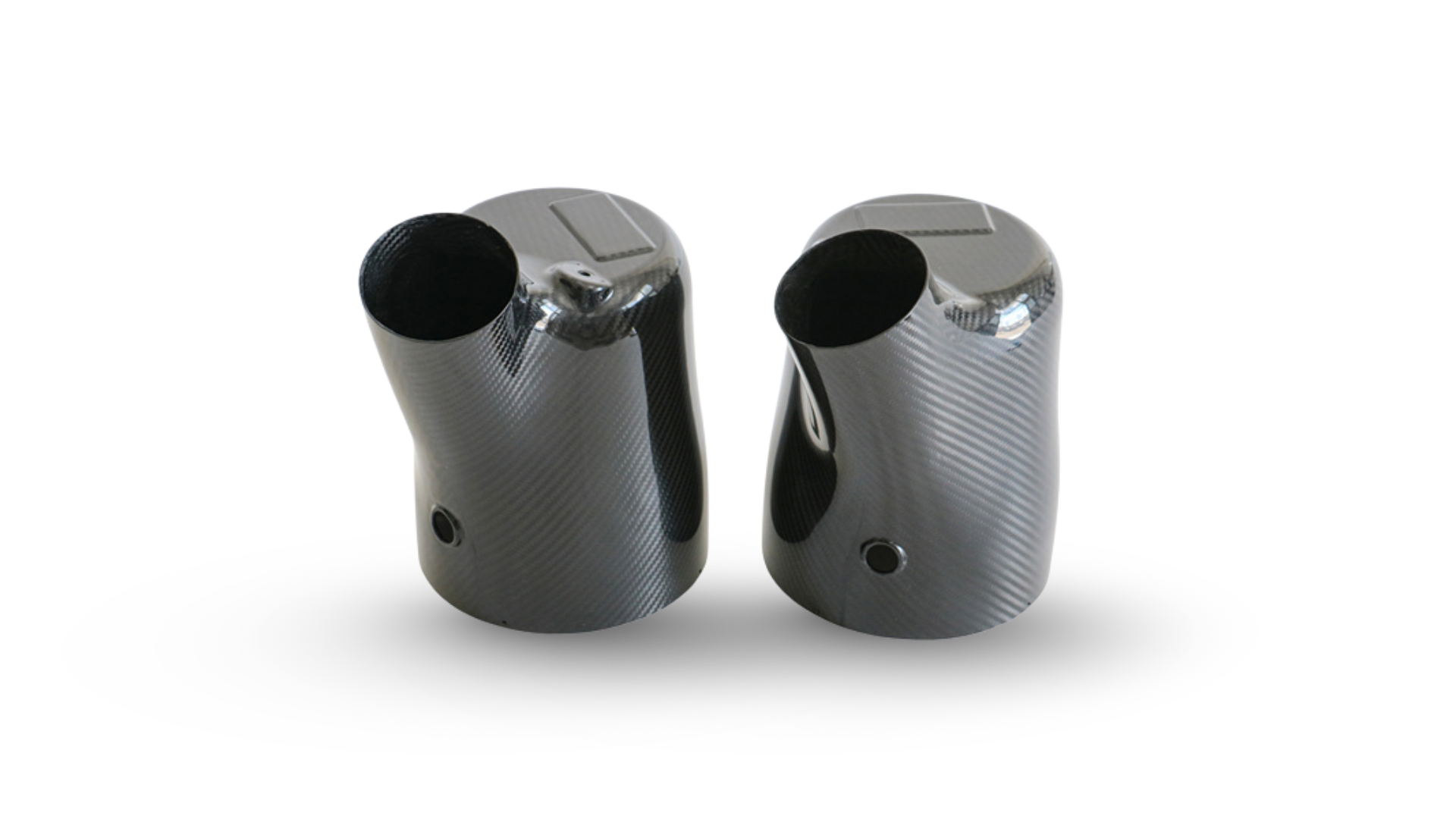
Carbon fiber car parts produced via autoclave molding exhibit outstanding strength-to-weight ratios, surpassing traditional materials like steel and aluminum. This property is critical for reducing overall vehicle mass and improving acceleration, handling, and fuel efficiency while maintaining or enhancing structural performance.
• Dimensional Precision and Stability
The autoclave process allows for tight control over temperature and pressure, resulting in parts with consistent dimensions and minimal variability. This precision is essential for components that must integrate with complex vehicle assemblies and meet stringent tolerance requirements.
• Surface Quality and Aesthetics
Autoclave-molded carbon fiber parts are characterized by their high-quality surface finish, which is suitable for both visible and structural applications. The ability to achieve a flawless, uniform appearance is particularly important for luxury and performance vehicles, where aesthetics are as critical as function.
• Material Versatility
The compatibility of the autoclave process with a wide range of fiber and resin systems enables the tailoring of mechanical properties to specific application needs. Whether the requirement is for maximum stiffness, impact resistance, or a particular visual effect, the process supports a broad spectrum of design possibilities.
• Corrosion and Fatigue Resistance:
Carbon fiber composites are inherently resistant to corrosion and environmental degradation. Additionally, their fatigue resistance ensures long-term durability, even under repeated loading and harsh operational conditions.
Applications in Vehicle Design
1) Exterior Components
- Body Panels:
Carbon fiber panels offer significant weight savings and enhanced impact resistance, contributing to both performance and safety.
• Aerodynamic Elements:
Custom spoilers, diffusers, and splitters leverage carbon fiber’s rigidity and low mass for improved vehicle dynamics.
2) Structural and Functional Parts
- Chassis Reinforcements:
Carbon fiber reinforcements increase torsional rigidity without adding excessive weight, supporting advanced chassis designs.
• Crash Structures:
The energy absorption characteristics of carbon fiber make it suitable for safety-critical components.
3) Interior and Trim
- Instrument Panels and Consoles:
Carbon fiber trim delivers a premium appearance and tactile experience while maintaining low weight.
• Seat Frames and Supports:
Lightweight, high-strength frames enable innovative seat designs and improved occupant comfort.
4) Motorsports and High-Performance Vehicles
In motorsports and high-performance vehicles, the use of custom carbon fiber car parts is standard practice. The ability to engineer parts with precise weight, stiffness, and aerodynamic properties is essential for competitive advantage.
Engineering and Procurement Considerations
- Design Collaboration
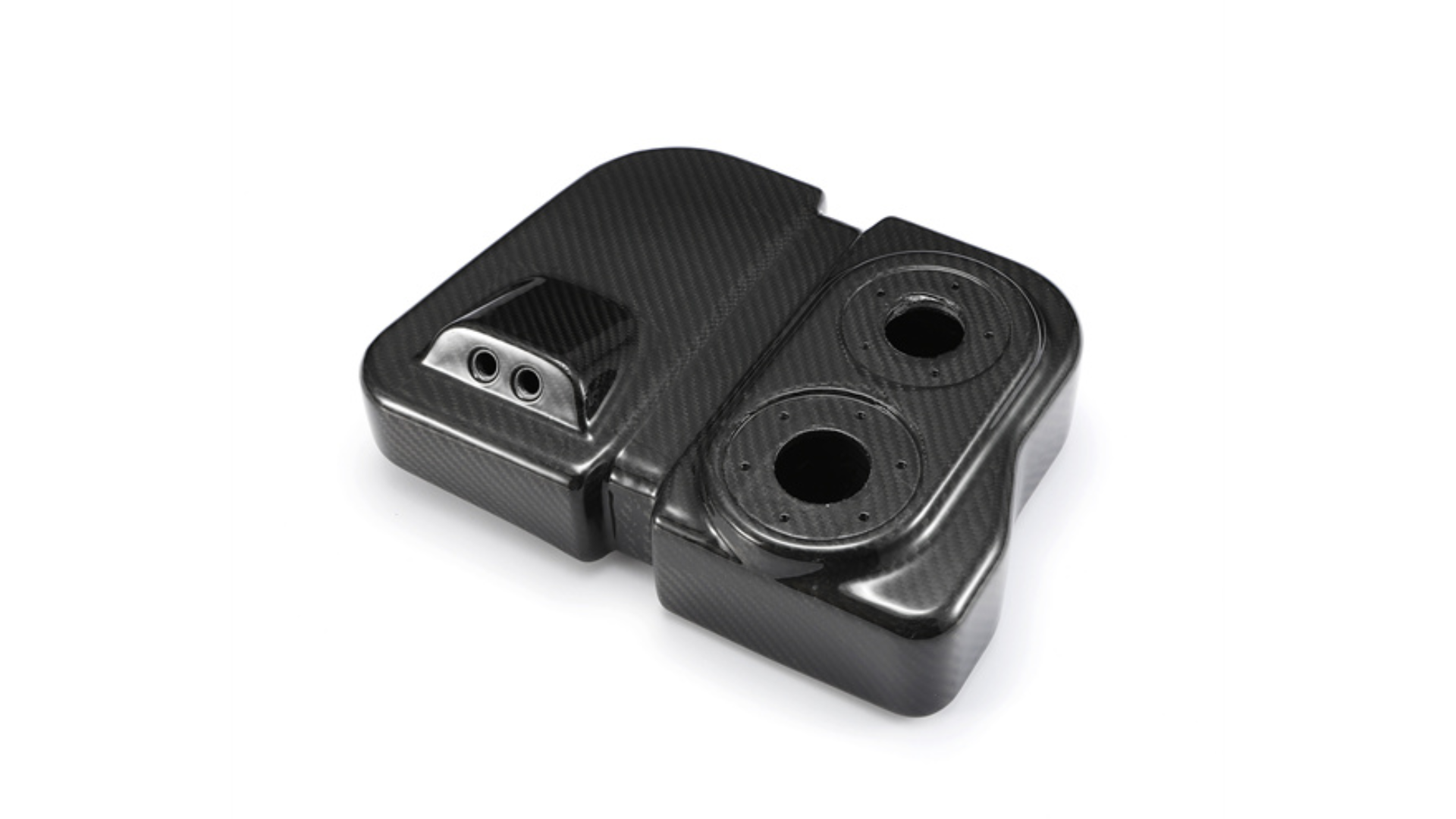
Effective development of custom carbon fiber car parts requires close collaboration between engineers, designers, and manufacturers. Early engagement ensures that material selection, lay-up design, and manufacturing processes are aligned with performance, cost, and integration targets. - Quality Assurance
Consistency in fiber placement, resin content, and curing parameters is vital for reliable part performance. Rigorous quality control protocols, including non-destructive testing and dimensional verification, are necessary to ensure compliance with automotive standards. - Scalability and Supply Chain
The ability to scale production while maintaining quality is crucial for meeting both prototype and volume requirements. Manufacturers equipped with advanced autoclave facilities, CNC machining capabilities, and robust supply chains are best positioned to deliver consistent results.
Custom carbon fiber car parts represent the convergence of lightweight engineering and luxury design in the automotive sector. Autoclave molding remains the benchmark for achieving the highest standards of strength, precision, and finish. For organizations seeking a partner with comprehensive expertise in bespoke carbon fiber solutions, Xinbo Composites offers a full spectrum of capabilities in the design and manufacture of high-quality, custom-engineered carbon fiber car parts.