
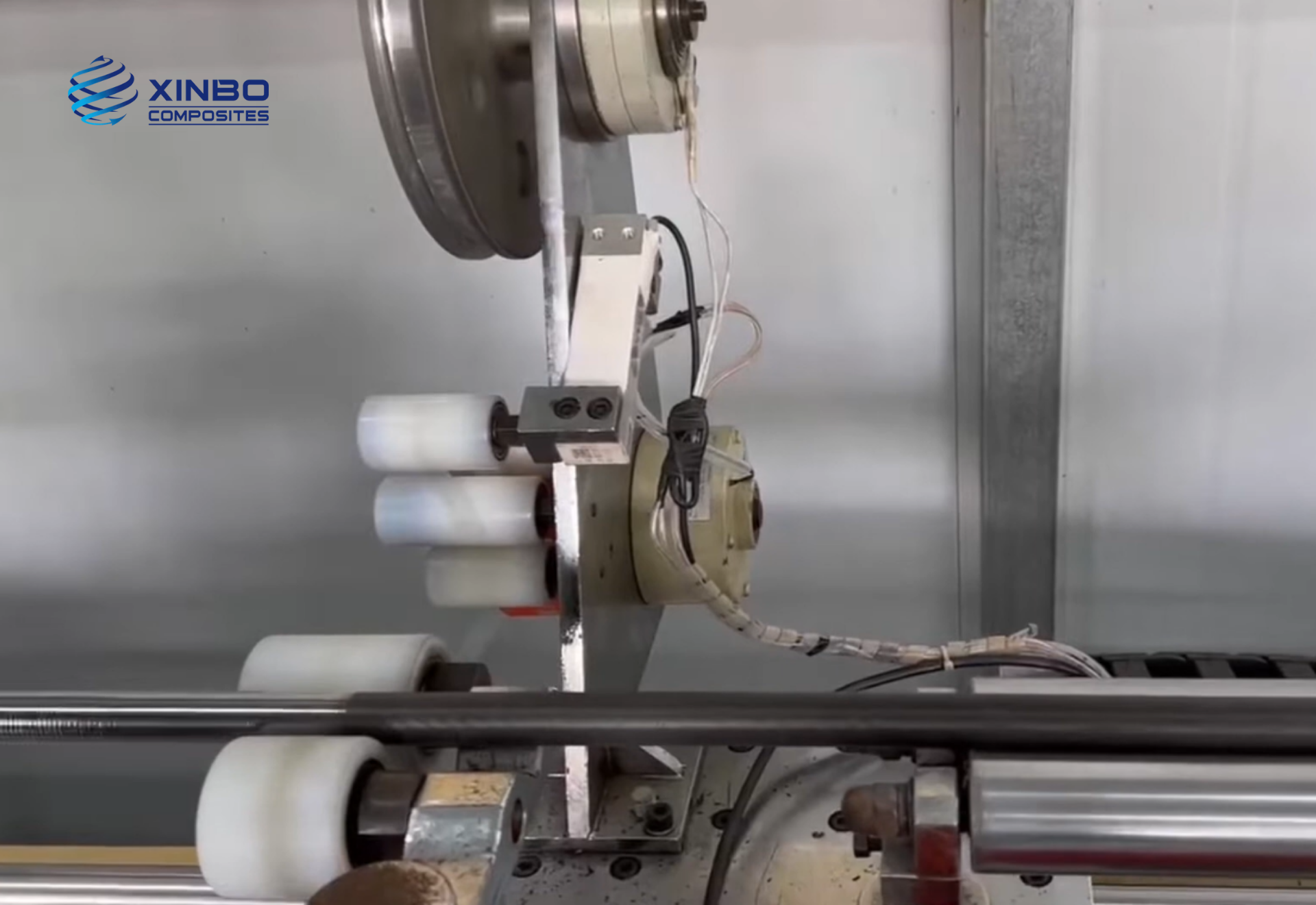
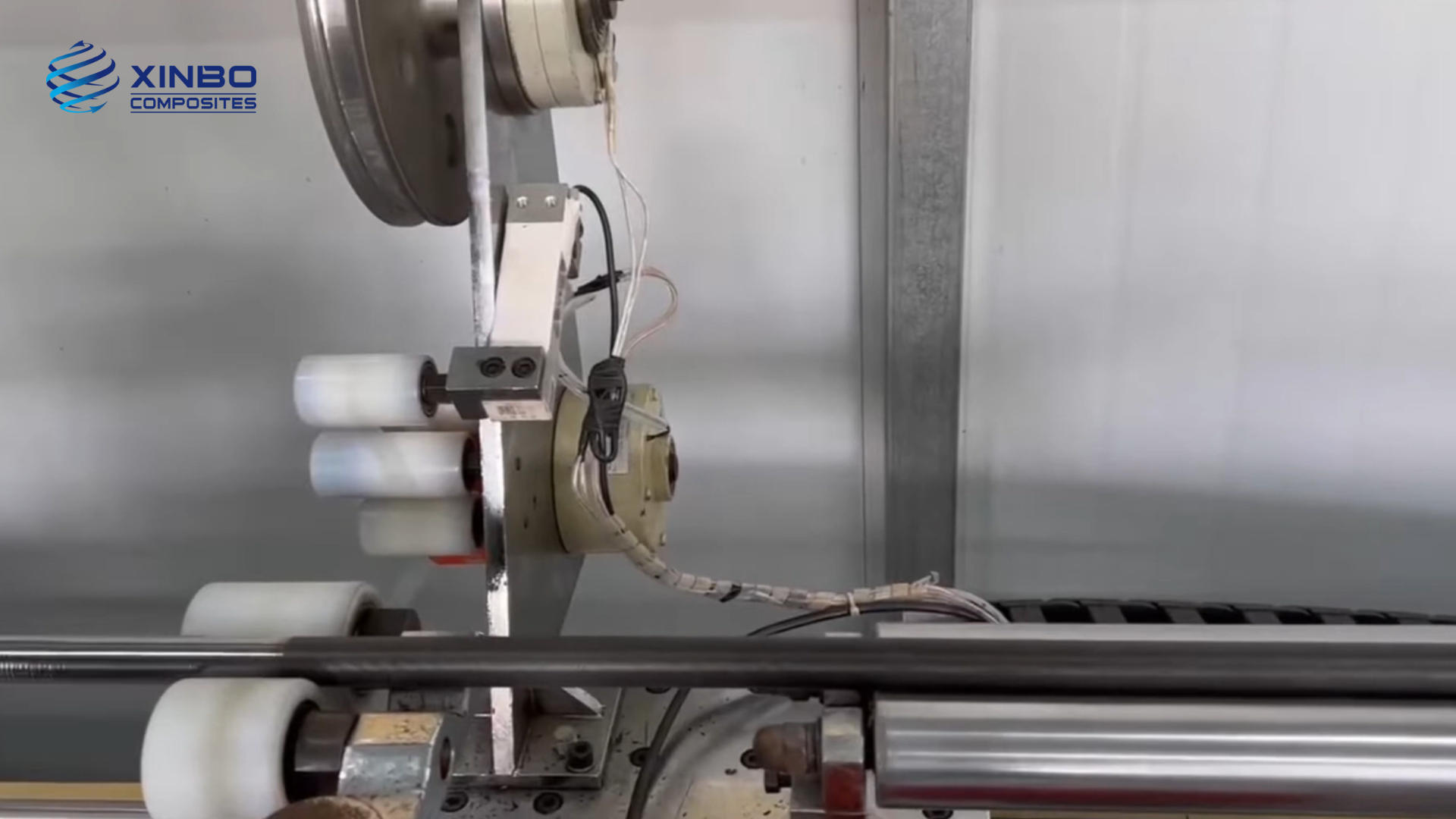
The electric vehicle (EV) industry is rapidly evolving, driven by the need for improved efficiency, extended driving range, and enhanced vehicle performance. Among the advanced materials shaping this transformation, large-diameter carbon fiber tube has emerged as a critical solution – particularly for interior components, exterior body parts, and carbon fiber drive shafts. –
Unlike broad structural applications that remain limited due to cost and scalability, these specific use cases represent practical, proven, and commercially viable applications of carbon fiber in modern electric vehicles.
Why Carbon Fiber Matters in Electric Vehicles
Weight reduction is one of the most effective ways to improve EV performance. A lighter vehicle requires less energy to move, directly contributing to:
- Increased driving range
- Faster acceleration
- Improved handling
- Reduced strain on battery systems
Carbon fiber offers an exceptional strength-to-weight ratio, making it ideal for components where reducing mass delivers measurable performance gains without compromising durability or safety.
Carbon Fiber Interior Parts in Electric Vehicles
Lightweight Design with Premium Appeal
Carbon fiber is increasingly used in EV interiors to reduce weight while enhancing aesthetics and functionality. Interior applications benefit from carbon fiber’s rigidity, durability, and modern appearance.
Common Interior Applications Include:
- Dashboard trims and panels
- Center console components
- Door panel reinforcements
- Seat frames and seat shells
- Steering wheel components
- Interior structural supports
By replacing metal or plastic parts with carbon fiber, manufacturers can reduce overall cabin weight while delivering a premium, high-tech feel—especially important in luxury and performance-focused EVs.
Carbon Fiber Exterior Parts in Electric Vehicles
Improving Efficiency Through Lightweight Exteriors
Exterior carbon fiber components play a major role in reducing vehicle mass and improving aerodynamic efficiency. These parts are exposed to environmental stress, making carbon fiber’s corrosion resistance and strength especially valuable.
Common Exterior Applications Include:
- Body panels
- Hoods and trunk lids
- Roof panels
- Spoilers and diffusers
- Side skirts and aerodynamic elements
Reducing exterior weight lowers the vehicle’s center of gravity and improves handling, which is particularly beneficial for EVs carrying heavy battery packs.
Carbon Fiber Drive Shafts: A Key EV Performance Component
Why Carbon Fiber Drive Shafts Matter
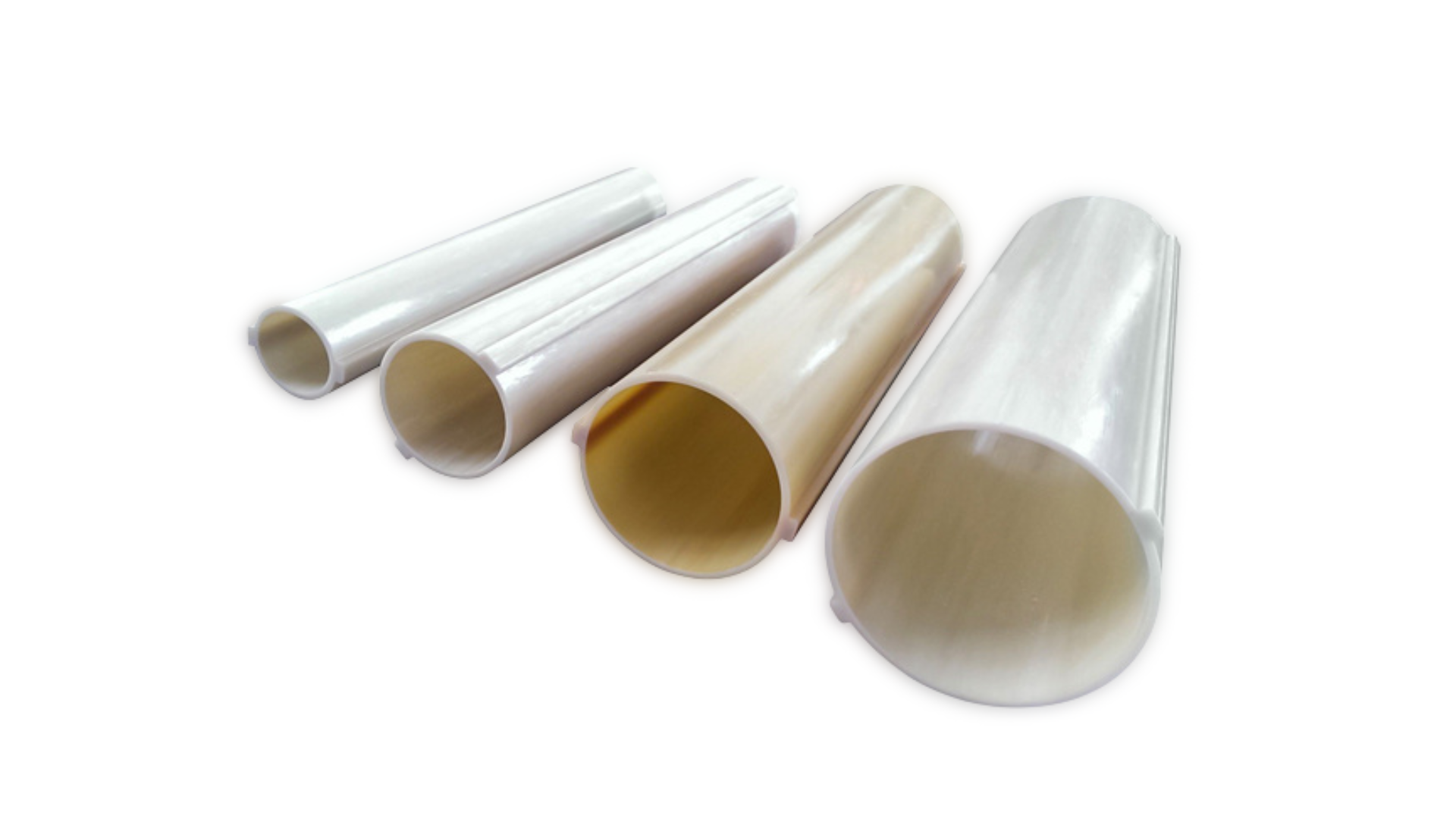
One of the most impactful uses of carbon fiber in electric vehicles is the carbon fiber drive shaft, typically manufactured using a large-diameter carbon fiber tube
Compared to traditional steel or aluminum shafts, carbon fiber drive shafts offer:
- Significant weight reduction
- Higher torsional strength
- Reduced rotational inertia
- Improved vibration damping
- Increased drivetrain efficiency
These advantages result in smoother power delivery, higher efficiency, and reduced energy loss – making carbon fiber drive shafts ideal for electric powertrains.
Round Carbon Fiber Tubes for Drive Shafts
Round carbon fiber tubes are specifically engineered to handle high torque loads while maintaining structural stability at high rotational speeds. Their uniform geometry ensures balanced performance and durability under continuous operation.

Manufacturing Benefits of Carbon Fiber Components in EVs
Carbon fiber interior, exterior, and drive shaft components allow manufacturers to:
- Optimize vehicle weight without redesigning entire platforms
- Improve efficiency without increasing battery size
- Enhance performance while meeting safety standards
- Deliver premium-quality EVs with modern aesthetics
As EV platforms mature, these targeted carbon fiber applications provide a cost-effective path to performance gains.
Sustainability Considerations
While carbon fiber production is energy-intensive, its long-term benefits in EVs help offset environmental impact:
- Lower energy consumption over the vehicle’s lifespan
- Reduced battery demand due to lighter weight
- Longer component lifespan and durability
For EV manufacturers focused on lifecycle efficiency, carbon fiber remains a strategic material choice.
The Future of Carbon Fiber in Electric Vehicles
As electric vehicles continue to evolve, carbon fiber will remain concentrated in high-value, performance-critical areas—notably:
- Interior lightweight structures
- Exterior aerodynamic components
- High-performance carbon fiber drive shafts
These applications strike the right balance between cost, scalability, and real-world benefits, ensuring carbon fiber’s continued role in EV innovation.
Xinbo Composites: Carbon Fiber Solutions for EV’s
Xinbo Composites specializes in high-performance carbon fiber round tubes and composite solutions designed for electric vehicle applications, including:
- Carbon fiber round tubes for drive shafts
- Custom carbon fiber interior components
- Lightweight carbon fiber exterior parts
- Precision-engineered composite tubes
- CNC-machined carbon fiber components
Engineered for strength, durability, and weight reduction, Xinbo Composites’ carbon fiber solutions help EV manufacturers improve efficiency, enhance performance, and meet the demands of next-generation electric mobility.