
Xinbo Composites manufactures high-quality carbon fiber car parts with autoclave molding, providing the best strength and perfect surface.
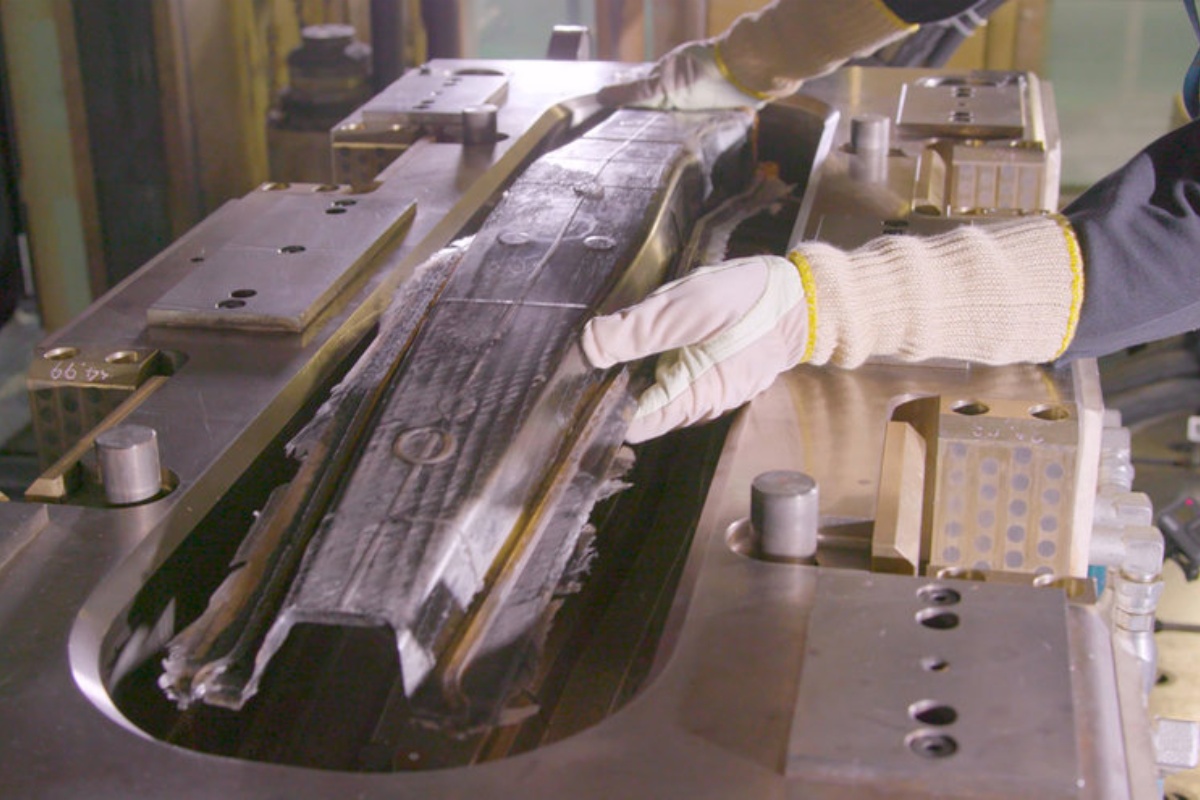
Making carbon fiber car parts involves a detailed and precise manufacturing process, tailored to meet the specific requirements for strength, weight reduction, and performance enhancements. Here’s a step-by-step overview of how carbon fiber parts are typically made for automotive applications:
1. Design and Prototype
Design: Initially, engineers and designers create detailed 3D models of the part using CAD software. This stage involves material selection, determining the fiber orientation for optimal strength and stiffness, and designing the part for manufacturability.
Prototype Development: Prototypes may be produced to validate the design and fitment on the vehicle. This can involve simpler manufacturing methods or 3D printing or handmade molds to quickly test concepts.
2. Mold Making
Mold Creation: A mold or tool is created based on the final design of the part. Molds are typically made from materials such as aluminum, steel, fiberglass, or high-density foam, depending on the complexity of the part and the required surface finish. The mold surface is prepared to be smooth and may be treated with a release agent to facilitate the removal of the cured part.
3. Layup
Material Preparation: Carbon fiber comes in various forms, such as woven fabrics, mats, or prepregmaterials. Pre-preg is popular for high-quality automotive parts because it has a precise resin-to-fiber ratio and can be stored in cold conditions until ready for use.
Layup Process: The carbon fiber material is cut to shape and laid into the mold by hand or with automated equipment. The orientation of the fibers is crucial and is determined based on the strength and flexibility requirements of the part.
4. Curing
Vacuum Bagging: Often, the laid-up mold is enclosed in a vacuum bag to compact the material and eliminate air pockets. This also helps in evenly distributing the resin.
Curing: The part is cured under heat and pressure, typically in an autoclave. The curing process hardens the resin, which binds the carbon fibers together and gives the part its final strength and rigidity.
5. Demolding and Trimming
Demolding: After curing, the part is carefully removed from the mold. This can sometimes be challenging, depending on the complexity of the part and the mold release used.
Trimming and Machining: Excess material is trimmed away, and any necessary machining is done to achieve the final dimensions and fitment requirements.
6. Finishing
Surface Finishing: The part may require sanding to achieve a smooth surface. Additionally, parts can be painted, clear-coated, or left with a raw carbon fiber look, depending on the desired aesthetic and protection needs.
Inspection and Quality Control: The final part is inspected for defects, such as voids, delamination, or unsatisfactory surface finish. Quality control ensures the part meets all design specifications and performance requirements.
7. Assembly and Installation
Assembly: If the carbon fiber part needs to be assembled with other components before installation, this is done using appropriate screws, adhesive compatible with carbon fiber.
Making carbon fiber car parts requires a combination of skilled workers, precise engineering, and quality materials. The manufacturing process can vary depending on the part’s complexity, the volume of production, and the specific performance requirements. Advances in manufacturing technology and materials science continue to enhance the capabilities and reduce the costs of producing carbon fiber automotive parts, making them more accessible for a wider range of applications.