
In industries where structural strength, low weight, and dimensional stability are mission-critical, large diameter carbon fiber tubes offer measurable advantages. From industrial rollers and automation components to aerial and composite mandrels, the scalability and adaptability of carbon fiber fabrication is reshaping how engineers think about cylindrical structures.
Designing and manufacturing large diameter carbon fiber tubes requires not only an understanding of different carbon fiber material types but also comprehensive control over structural dynamics and manufacturing variables. This requires deep expertise in materials, tooling, fiber orientation, and processing procedures to ensure tolerances are met, especially for diameters exceeding 500 mm and lengths exceeding 6 meters. schedules, manufacturers can tailor performance to meet dynamic loading environments, vibration control requirements, or bending resistance.
Bonding and Integration with Other Materials
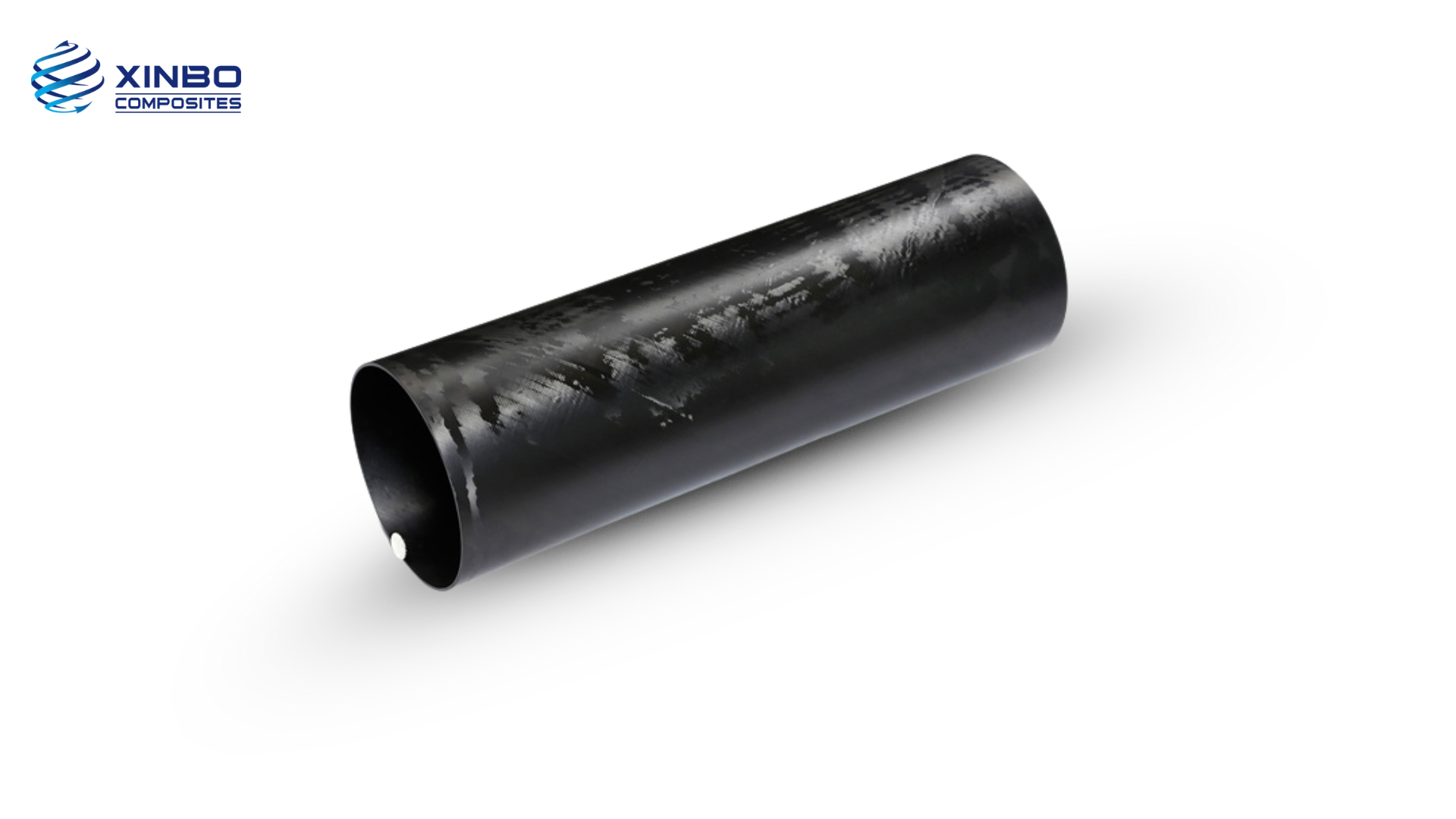
Another consideration for engineers is how large diameter carbon fiber tubes integrate with metal or plastic hardware. Assembly and bonding services become essential when tubes need to be interfaced with mechanical parts. Reliable manufacturers should offer advanced adhesive bonding technology with controlled cure times, joint design, and surface finishes.
This is particularly important when the end-use environment includes fluctuating temperatures, high vibration cycles, and corrosive exposures like saltwater, where adhesive bond strength becomes a critical performance factor. These tubes often operate in harsh environments. Adhesive
Why Large Diameter Carbon Tubes Are Important in Industrial Engineering
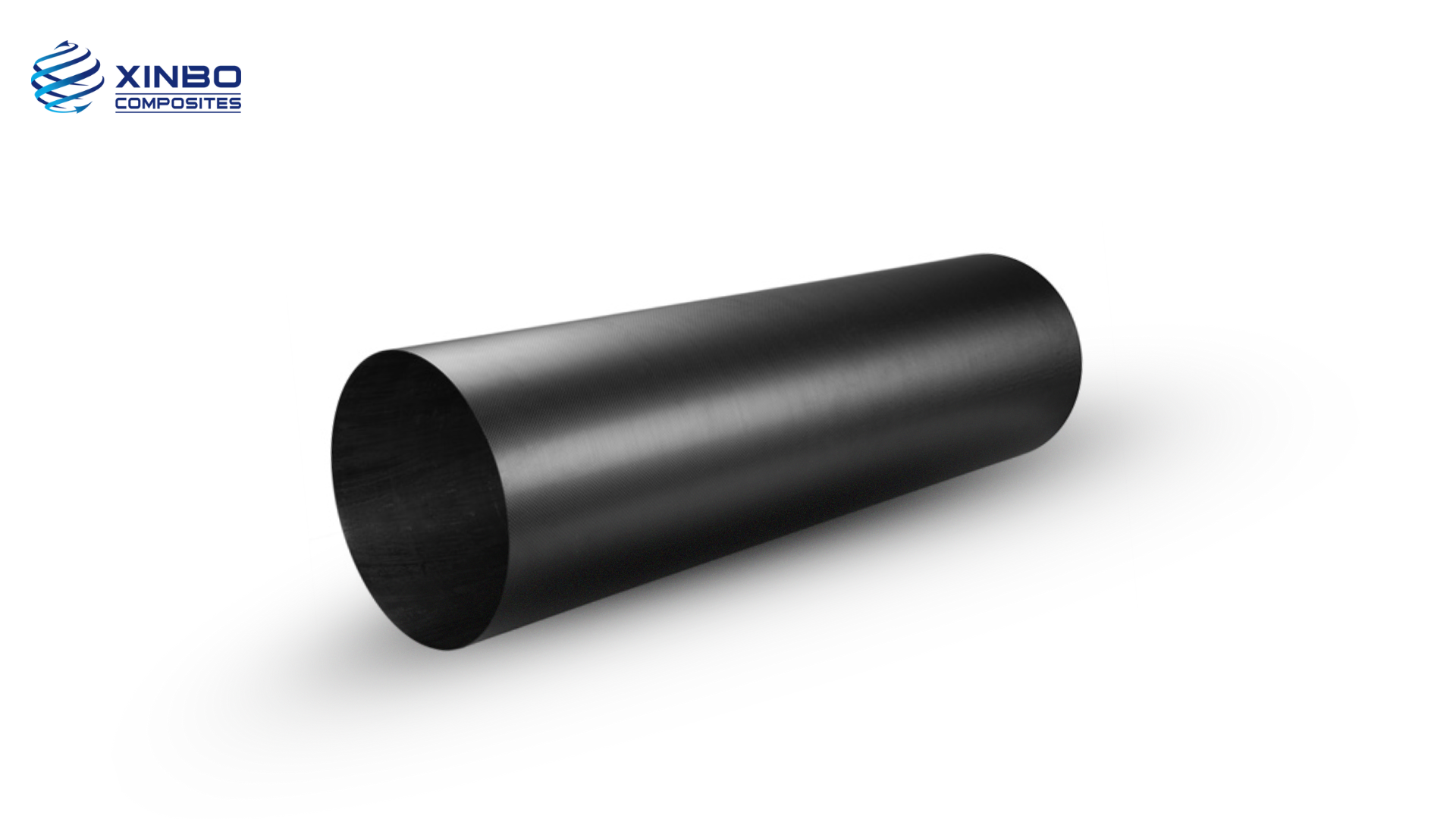
Whether used in marine masts, drone arms, robotic systems, or structural enclosures, tubes must support both axial and radial loads while keeping mass to a minimum. This tradeoff between stiffness, weight, and form factor is where carbon fiber truly outperforms traditional materials like aluminum, stainless steel, or titanium.
What sets large-diameter carbon fiber tubes apart is their capacity to be engineered for directional stiffness. Through strategic layup angles and ply
This is particularly important when the end-use environment includes fluctuating temperatures, high vibration cycles, and corrosive exposures like saltwater, where adhesive bond strength becomes a critical performance factor. These tubes often operate in harsh environments. Adhesive performance can dictate long-term reliability, especially in automated systems or aerospace-grade structures.
Q&A for Engineers and Procurement Teams
Q1: What are the challenges of scaling carbon fiber tubes to diameters of 500 mm?
A: The larger the diameter, the greater the risk of ovality, wrinkling, or inconsistent fiber placement. Using the right tool, controlling the cure cycle, and proper fiber orientations can reduce these risks. Layout symmetry and ply balance are crucial.
Q2: Can large carbon tubes be post-machined without risking delamination?
A: Yes, but only with precise CNC carbon fiber machining techniques. Diamond-coated tools, vacuum extraction, and controlled feed rates are used to avoid fiber pull-out and matrix cracking.
Q3: How are tolerances maintained across a 6-meter-long tube?
A: Material preparation, mandrel stability, and real-time curing monitoring ensure product uniformity. Polishing and post-processing achieve a final outer diameter accuracy of ±0.02mm to ±0.05mm, meeting high-precision requirements.
Q4: Is bonding to aluminum parts reliable long-term?
A: When used with high-performance adhesives and appropriate surface treatments such as plasma or abrasion, bonds can be as reliable as mechanical fasteners without introducing stress points or adding weight.
Q5: What types of modulus grades are available for stiffness control?
A: Options range from Standard to Ultra High Modulus carbon fiber, allowing you to adjust flexural rigidity as per the load-bearing application. Higher modulus is ideal for minimizing deflection in structural parts.
For OEMs, engineering teams, and advanced manufacturers, large-diameter carbon fiber tubes represent not just a lightweight alternative but a solution platform that can be tuned at every layer, pattern, and angle. When tolerances, mechanical performance, and dimensional scale are critical, carbon composites deliver, if fabricated with process discipline and engineering intent.
Large-diameter carbon fiber tubes are ideal for use in applications that require a high strength-to-weight ratio, such as aerospace, automotive, industrial machines, marine, and wind energy. Carbon fiber tubes are used in these industries for a variety of applications, including structural components, drive shafts, frames, and support structures.
To align carbon composite capabilities with your engineering goals, consult a specialized manufacturer with design, tooling, and bonding expertise such as Xinbo Composites
If you’re a buyer, engineer, or technical team leader evaluating composite pipes at scale, technical consulting and customized production solutions are essential. Choose performance and proper materials.