
Introduction
Lightweight, durable, and adaptable – telescopic poles are critical tools across industries such as aerospace, surveying, drone technology, cleaning, and inspection services. Traditionally, aluminum poles dominated the market due to their affordability and ease of production. However, with the rise of telescopic carbon fiber poles, industries are rethinking performance expectations.
In this blog, we’ll explore the design principles, industrial applications, and the clear benefits of carbon fiber telescopic poles over aluminum alternatives. If you’re an engineer or buyer evaluating material solutions for high-performance equipment, this guide provides the technical clarity you need.
What Are Telescopic Carbon Poles?
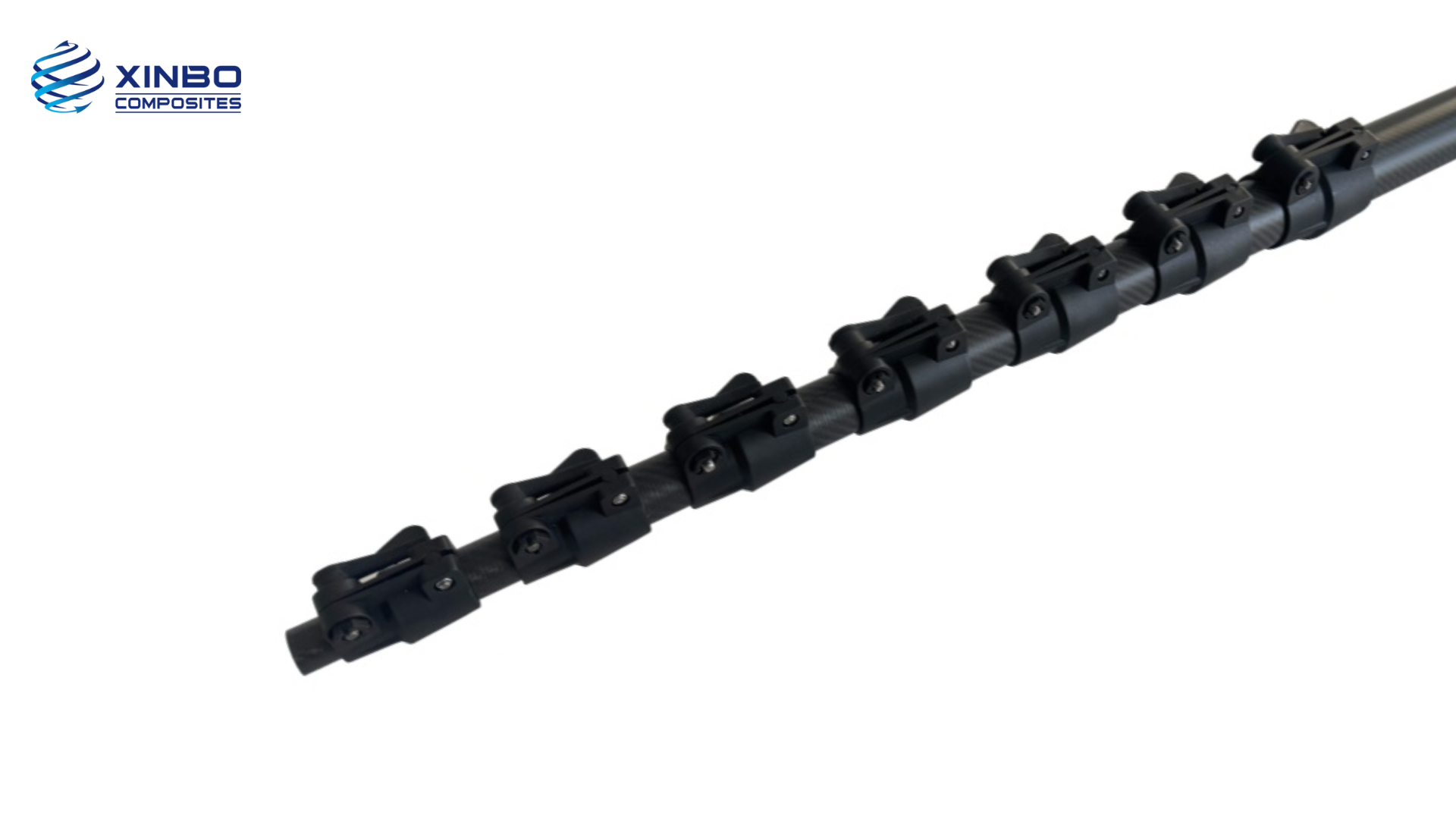
Telescopic carbon poles are extendable, lightweight tubes made from carbon fiber composites. They are designed to collapse for portability and extend to reach considerable lengths without compromising rigidity.
Key features include:
- High stiffness-to-weight ratio
- Corrosion resistance (ideal for outdoor/marine use)
- Compact storage and portability
- Customizable lengths and diameters
Design & Manufacturing of Telescopic Carbon Poles
1. Material Selection
- Carbon Fiber Prepregs: Provide high strength and consistent quality.
- Epoxy Resin Systems: Improve bonding and resistance to environmental stress.
2. Manufacturing Processes
- Roll Wrapping: Common for small-batch, high-performance poles.
- Filament Winding: Ensures strength and alignment for heavy-duty applications.
- Pultrusion: Used for consistent diameter sections.
3. Joint & Locking Mechanisms
- Clamp locks (quick adjustments).
- Twist locks (secure fit, lightweight).
- Hybrid locks (precision + heavy-duty holding power).
Carbon Fiber vs. Aluminum Telescopic Poles: A Comparison
|
Feature |
Carbon Fiber Poles | Aluminum Poles |
|
Weight |
~40% lighter, reduces operator fatigue |
Heavier, less portable |
|
Strength-to-Weight Ratio |
Superior rigidity and durability |
Moderate stiffness |
|
Corrosion Resistance |
Resistant to moisture, chemicals, and UV |
Prone to oxidation & corrosion |
|
Flexibility & Vibration Damping |
Excellent for stability in long poles |
More prone to bending |
| Cost | Higher upfront cost |
Lower cost, but higher long-term replacement needs |
| Applications | Aerospace, drones, surveying, and industrial cleaning |
General-purpose, low-performance needs |
Industrial Applications of Telescopic Carbon Fiber Poles
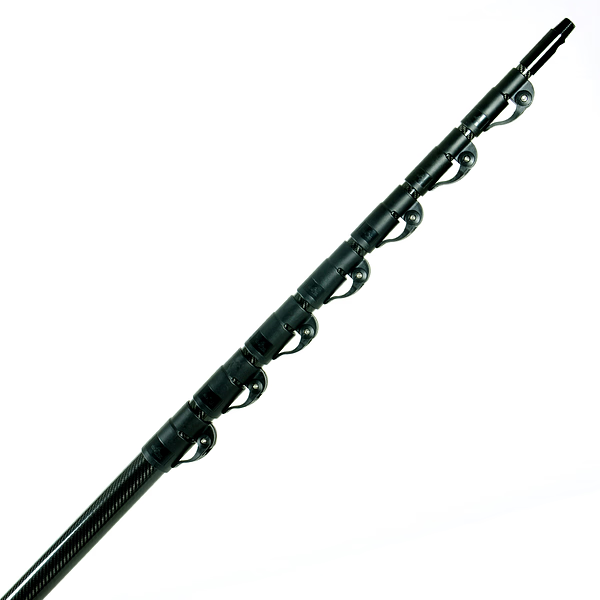
1. Aerospace & Defense
Used for sensor masts, antenna systems, and UAV equipment where lightweight rigidity is mission-critical.
2. Surveying & Inspection
Carbon poles provide stability for cameras, sensors, and measurement tools, ensuring accurate data collection.
3. Drone & UAV Industry
Carbon poles integrate with drones for launch, recovery, or payload handling, offering lightweight strength.
4. Marine & Outdoor Applications
Their corrosion resistance makes them ideal for fishing gear, sailing masts, and offshore inspection tools.
5. Industrial Cleaning & Maintenance
Long carbon fiber poles reduce worker fatigue for window cleaning, solar panel maintenance, and facade washing.
Benefits of Carbon Fiber Poles Over Aluminum
- Reduced Fatigue: Workers can operate for longer periods without strain.
- Improved Accuracy: Stiffness reduces pole deflection during sensitive tasks.
- Longer Lifespan: Resistant to wear and corrosion, offering better ROI.
- Professional Image: Lightweight, high-tech equipment enhances brand reputation in service industries.
Cost vs. Value: Are Carbon Fiber Poles Worth It?
While aluminum poles cost less upfront, frequent replacements, operator inefficiency, and performance limitations often outweigh the savings. Carbon fiber poles deliver long-term value in critical industries where accuracy, safety, and durability matter most.
How to Choose the Right Telescopic Carbon Pole’
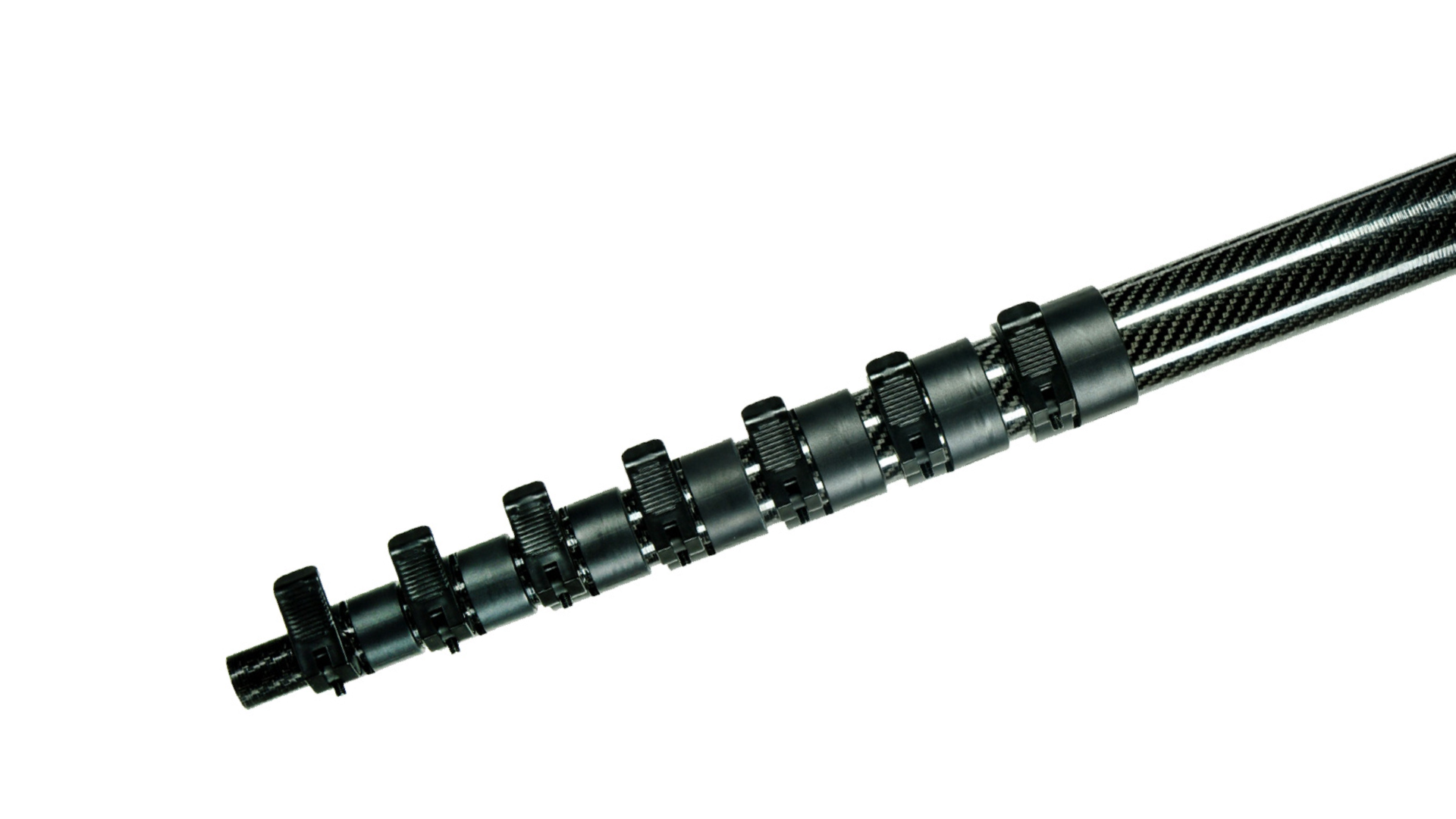
When selecting a telescopic carbon pole, consider:
- Maximum Length Required – choose based on application reach.
- Diameter & Wall Thickness – balance stiffness and weight.
- Locking Mechanism – clamp or twist, depending on usage.
- Environmental Exposure – UV, chemical, or marine environments.
- Customization Needs – length, fittings, or integrated mounts.
FAQ Section
Q1: Are telescopic carbon fiber poles stronger than aluminum?
Yes, carbon fiber offers a higher strength-to-weight ratio, making it lighter yet stiffer than aluminum.
Q2: What industries benefit most from telescopic carbon poles?
Industries such as aerospace, drone technology, surveying, cleaning, and marine applications gain significant advantages.
Q3: Can telescopic carbon poles be customized?
Yes, they can be manufactured in custom lengths, diameters, wall thicknesses, and with specialized locking mechanisms.
Q4: How do carbon poles perform in outdoor environments?
They excel outdoors — resistant to corrosion, UV exposure, and harsh weather, unlike aluminum poles that oxidize.
Q5: Are carbon fiber poles worth the higher cost?
For industries needing durability, precision, and lightweight design, the long-term ROI makes carbon fiber poles more cost-effective than aluminum.
Conclusion
As industries push for lighter, stronger, and more efficient tools, telescopic carbon fiber poles are rapidly outpacing aluminum alternatives. Their design flexibility, durability, and superior performance make them the clear choice for professionals who prioritize accuracy, safety, and long-term value.
At Xinbo Composites, we design and manufacture custom telescopic carbon poles tailored to aerospace, marine, industrial, and commercial applications. Contact us today to discuss your project requirements or request a quote.