
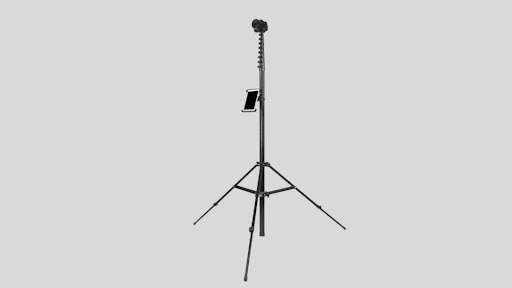
When it comes to capturing breathtaking aerial shots, the quality of your equipment plays an important role. Among the essential tools for aerial photographers and videographers, the Aerial Photography Pole is often the unsung hero that makes a world of difference.
The key to capturing flawless aerial shots lies not only in the quality of the camera but also in the equipment used to stabilize and elevate the camera. This is where a telescopic camera pole or aerial photography pole comes into play. But what truly makes the perfect aerial camera mast? The answer lies in Carbon Fiber. The choice of material for these masts can make a significant difference in the performance, durability, and ease of use, and that’s why carbon fiber has emerged as the ultimate choice for these specialized tools.
What Makes Carbon Fiber the Ideal Material?
When it comes to aerial photography, the primary goal is to get a stable shot from significant heights. Whether you’re capturing stunning landscapes or intricate architectural details, stability is key. This is where carbon fiber camera poles shine. The secret behind their superiority lies in the unique properties of carbon fiber, which combine lightness, strength, and rigidity—perfect for aerial photography applications.
Carbon fiber is not just lightweight; it’s also incredibly strong and resistant to bending, making it an ideal material for telescopic poles. When you’re working with long telescoping tubes that extend to great heights, you need a material that won’t collapse under pressure or flex too much in the wind. This strength-to-weight ratio makes carbon fiber superior to alternatives like aluminum or steel, which tend to be heavier and less durable under extreme conditions.
Benefits of Carbon Fiber in Aerial Photography Masts
- Lightweight and Portable: Carbon fiber is extremely lightweight compared to other materials like aluminum and steel. This is a huge benefit for aerial photography, where portability and ease of setup are crucial. A heavy-duty telescopic pole made from carbon fiber can extend to great heights without weighing down the photographer, enabling them to carry and set up the equipment quickly.
- High Rigidity and Stability: In the world of aerial photography, there’s little room for vibration and instability. Carbon fiber masts are incredibly stiff, ensuring that the camera stays steady even when the pole is extended at full height. This rigidity minimizes the chances of vibrations that can blur or distort the shot, making carbon fiber poles the best option for capturing sharp, clear images.
- Durability: Carbon fiber is resistant to corrosion and wear, meaning that it can withstand the elements without deteriorating over time. Whether it’s rain, snow, or extreme sunlight, carbon fiber poles hold up well in all weather conditions. This makes them a reliable option for long-term use in aerial photography and telescopic pole inspection cameras.
- Precision in Manufacturing: Thanks to modern manufacturing techniques, carbon fiber poles can be custom-made to fit specific needs. Companies can produce custom carbon fiber parts, such as filament wound carbon fiber tubes or roll wrapped carbon fiber tubes, for clients who need specialized aerial photography solutions. These custom solutions can offer enhanced performance for specific applications, whether it’s extreme height or wind resistance.
Key Carbon Fiber Technologies
Several advanced carbon fiber technologies have made carbon fiber poles even more versatile and durable for aerial photography.
- Filament Wound Carbon Fiber Tube: This process involves winding carbon fiber filaments around a tube in a precise pattern. This technique creates a very strong and lightweight pole that can handle the stresses of aerial photography while maintaining an optimal balance of flexibility and strength.
- Roll Wrapped Carbon Fiber Tube: In this process, carbon fiber layers are wrapped around a mold, providing an additional level of flexibility in the pole’s design. This method helps achieve precise control over the thickness and strength of the pole at different points, making it ideal for customizing heavy-duty telescopic pole for demanding aerial shots.
- Machining Carbon Fiber Tube: After manufacturing, machining carbon fiber tubes can further enhance precision and customizability. This process allows the creation of intricate parts or unique pole structures that are tailored for specific equipment or shooting angles.
- Carbon Fiber Roller and Robotic Arm: For industries requiring automated solutions, carbon fiber robotic arms can be paired with carbon fiber rollers to support the aerial camera gear. This ensures smooth operation for dynamic shots, as the rigidity of carbon fiber ensures no unwanted movement during filming or photography.
Beyond Photography: Other Applications of Carbon Fiber Poles
While carbon fiber telescopic poles are a game-changer in aerial photography, they also have applications in other industries. For instance, in rescue operations, a telescopic rescue pole made from carbon fiber provides both strength and lightness for search-and-rescue teams. The same properties that make carbon fiber great for photography masts—lightweight yet strong—are also beneficial for rescue teams needing quick access to hard-to-reach locations.
In industrial settings, telescopic pole inspection cameras use carbon fiber poles for their portability and stability. Whether it’s inspecting power lines or building facades, the strength of carbon fiber ensures that the camera remains stable and clear even at heights of several meters.
Why Carbon Fiber is the Future of Aerial Photography Masts?
When it comes to achieving perfect aerial shots, the quality of your aerial photography pole is just as important as the camera itself. Carbon fiber stands out as the premier choice because of its superior combination of lightweight properties, strength, stability, and durability. Whether you’re using a large diameter carbon fiber tube for extra height or a custom carbon fiber part for specialized equipment, this material ensures that you get the best performance possible from your telescoping tubes. It resists the elements, reduces vibrations, and is highly customizable to suit a variety of needs.
For professionals in aerial photography, film production, rescue operations, or industrial inspections, carbon fiber offers the ideal solution for stability, portability, and reliability. If you’re aiming for the perfect shot or needing precision in your work, choosing carbon fiber is the secret to success.
So, the next time you’re gearing up for an aerial shoot, make sure you’re equipped with the best—choose carbon fiber for unmatched performance and perfect results.
At Xinbo Composites , we recognize that aerial photography requires the highest-quality equipment for capturing stunning, stable shots. Our carbon fiber masts are expertly designed to offer the perfect balance of lightweight portability and exceptional strength, ensuring that photographers and videographers can achieve smooth, precise aerial shots even in challenging environments. Engineered with advanced carbon fiber technology, our masts provide excellent vibration dampening and superior resistance to the elements, making them the ultimate choice for professionals looking for durability, reliability, and ease of use in their aerial photography setups.