
Modern vehicles are no longer judged only by horsepower or design. Efficiency, durability, and sustainability now define automotive excellence.
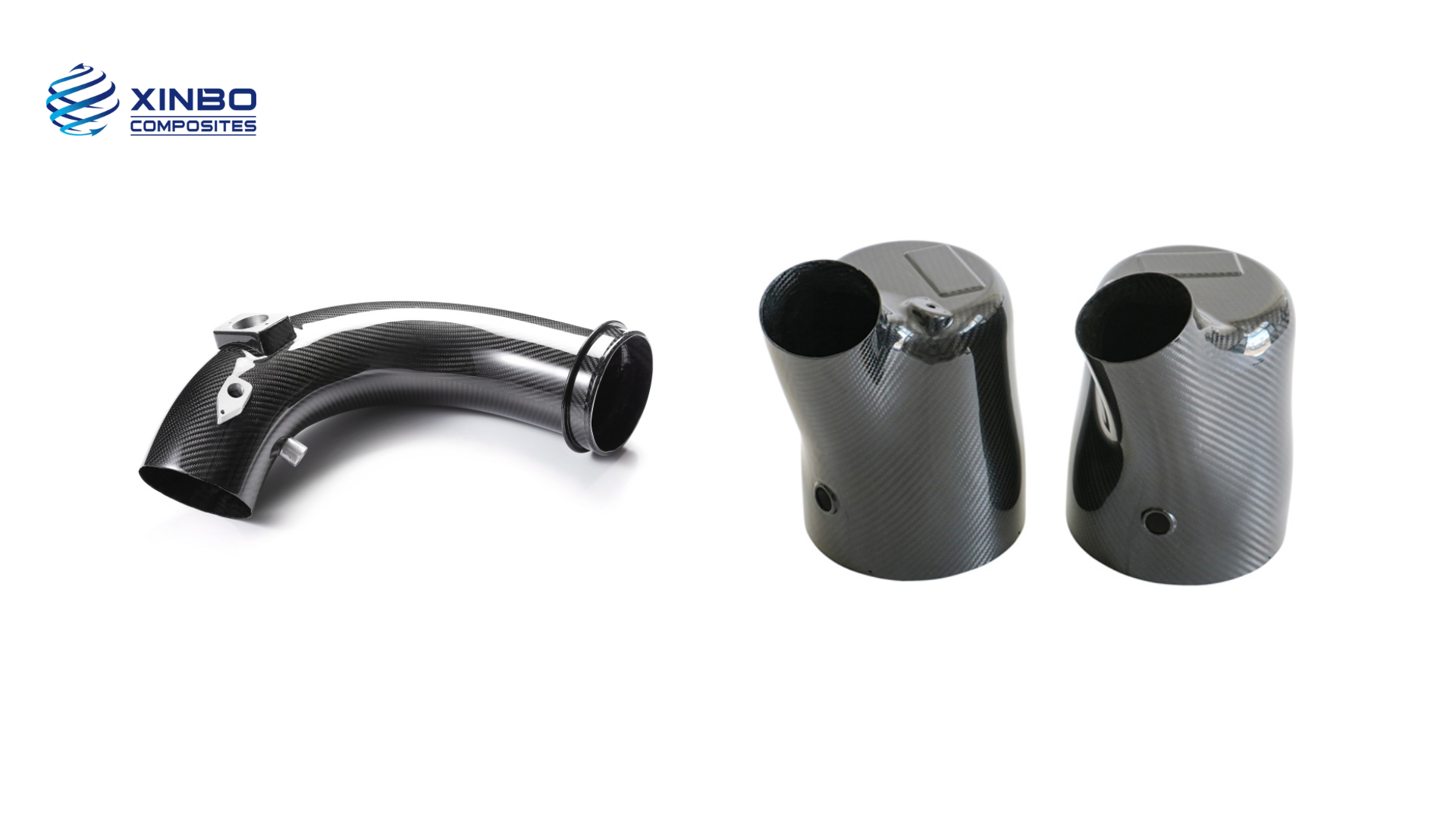
This is where carbon fiber has become one of the most valuable materials in automotive manufacturing.
Once limited to motorsports and supercars, carbon fiber components are now shaping mainstream automotive engineering decisions.
This blog explains why carbon fiber parts matter, how they improve vehicle performance, and where they deliver the most value, without complicating the science behind them.
Why Are Automotive Manufacturers Turning to Carbon Fiber?
The automotive industry faces constant pressure to build lighter, safer, and more fuel-efficient vehicles. Carbon fiber meets all three demands in a single material.
Unlike steel or aluminum, carbon fiber offers exceptional strength with significantly lighter weight. This balance allows manufacturers to reduce vehicle mass while maintaining or even improving structural integrity.
In practical terms, this means:
- Better fuel efficiency
- Faster acceleration
- Improved handling
- Lower emissions
These advantages explain the growing adoption of carbon fiber automotive parts across both performance and commercial vehicle segments.
1. Weight Reduction Without Compromising Strength
One of the biggest advantages of carbon fiber is its high strength-to-weight ratio. Replacing metal parts with carbon fiber car parts can reduce component weight by up to 50-60% while maintaining rigidity.
Lighter vehicles require less energy to move, which directly improves fuel economy and driving dynamics. This is especially critical for electric vehicles, where reduced weight extends battery range.
Common lightweight applications include:
- Body panels and interior parts
- Structural reinforcements
- Engine components
2. Improved Performance and Thermal Stability
Carbon fiber performs exceptionally well under high temperatures and stress. Components like a carbon fiber engine cover protect sensitive engine parts while reducing heat-related deformation.
Similarly, performance-focused systems benefit from a carbon fiber air intake, which improves airflow efficiency while resisting heat soak better than metal alternatives.
These improvements translate into:
- More consistent engine performance
- Reduced vibration
- Longer component lifespan
3. Design Freedom and Customization
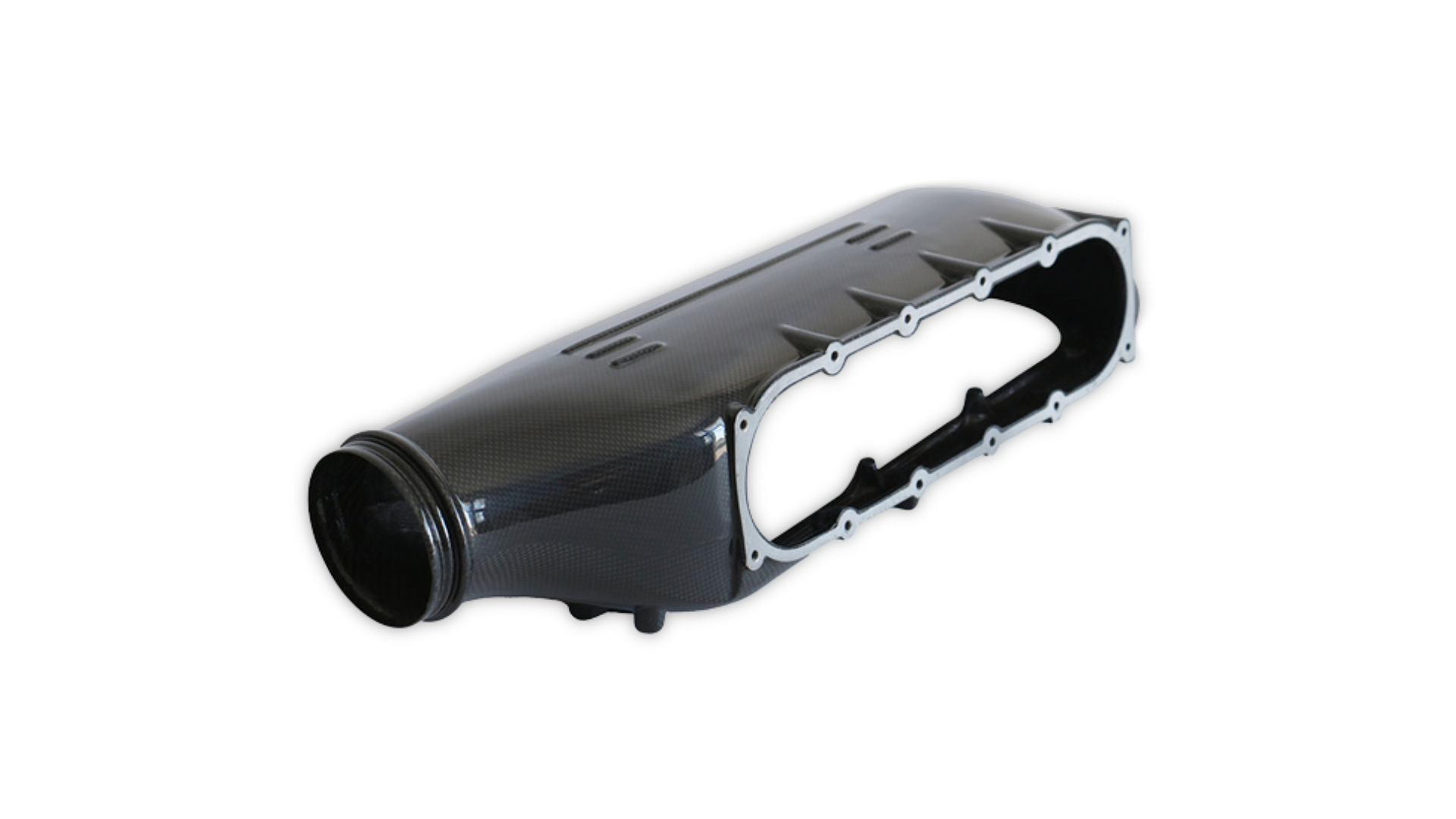
Carbon fiber allows shapes and designs that are difficult or impossible with traditional materials. This flexibility supports both performance optimization and aesthetic customization.
Manufacturers and aftermarket brands increasingly rely on custom carbon fiber car parts to meet specific design and functional requirements. From aggressive styling to aerodynamic enhancements, customization is a major driver of adoption.
For specialized requirements, custom carbon fiber auto parts enable precise control over thickness, stiffness, and geometry making them suitable for both luxury and utility vehicles.
4. Multi-Vehicle Compatibility Beyond Cars
Carbon fiber’s benefits extend beyond passenger vehicles. Two-wheelers and unmanned systems also rely heavily on lightweight composites.
High-performance bikes often integrate carbon fiber motorcycle parts to improve acceleration and handling.
Riders looking to personalize performance often choose to customize their carbon fiber parts for both function and appearance.
In advanced mobility systems, carbon fiber drone parts are widely used due to their stiffness and vibration-damping properties. Structural elements like carbon fiber drone arms ensure flight stability while minimizing payload weight.
5. Structural Efficiency in Automotive Systems
Beyond visible components, carbon fiber also supports internal and structural systems. Tubular and flat composite elements play a growing role in vehicle architecture.
For example, a carbon fiber tube is often used in reinforcement structures where torsional strength matters. Flat components like a carbon fiber sheet provide uniform strength distribution in panels and housings.
In fluid or air transfer systems, a carbon fiber pipe offers corrosion resistance and long-term durability.
For extended or load-bearing applications, a carbon fiber pole or large diameter carbon fiber tube provides strength without excessive mass, making composites ideal for modular automotive systems.
6. Durability, Safety, and Long-Term Value

Carbon fiber does not rust, fatigue like metal, or degrade easily under harsh environmental conditions. Over time, this reduces maintenance needs and replacement costs.
From a safety standpoint, carbon fiber absorbs and disperses energy effectively during impact, which is why it is widely used in crash structures and protective components.
When designed correctly, Custom Carbon Fiber Parts offer long-term reliability that offsets higher upfront costs.
Carbon Fiber vs Traditional Materials
Quick comparison for clarity:
| Material | Weight | Strength | Corrosion Resistance | Design Flexibility |
|---|---|---|---|---|
| Steel | Heavy | High | Low | Limited |
| Aluminum | Medium | Medium | Medium | Moderate |
| Carbon Fiber | Very Light | Very High | Excellent | High |
Frequently Asked Questions
Q: Why is carbon fiber used in automotive manufacturing?
A: Because it reduces weight while increasing strength, improving fuel efficiency and performance.
Q: Are carbon fiber parts durable?
A: Yes, they resist corrosion, fatigue, and environmental damage better than most metals.
Q: Is carbon fiber only for luxury cars?
A: No, it is increasingly used in commercial, electric, and performance vehicles.
Q: How does carbon fiber improve vehicle safety?
A: It absorbs impact energy efficiently and maintains structural integrity during collisions.
Q: Are carbon fiber parts customizable?
A: Yes, they can be tailored for shape, thickness, and performance needs.
Bringing It All Together: Why Carbon Fiber Is Here to Stay
Carbon fiber is no longer a niche material, it’s a practical solution to modern automotive challenges.
From efficiency and performance to design freedom and durability, its benefits align perfectly with the direction the automotive industry is heading.
If you’re exploring high-performance composite solutions for automotive applications, Xinbo Composites helps support informed decisions through real-world expertise and consistently high-quality carbon fiber products, without compromising on reliability or material integrity.
Choosing the right material is not just about performance today, but about reliability over time.